Window U-Values And Heat Loss
Window U-value describes how quickly a window assembly conducts heat from inside to outside. Lower U-values mean less heat escapes, which can reduce heating demand during cold weather. U-values apply to the whole window system, including glazing and frame, when they are reported as a complete unit; some marketing materials only show glass performance.
In practical terms, a home with leaky windows often loses heat through conduction and air leakage. Conduction depends on U-value, while air leakage depends on sealing quality, gaskets, and installation details. A window can have a low U-value on paper and still raise bills if gaps around the frame allow drafts. I’ve seen this in energy audits where the blower-door results pointed to infiltration even when the glazing looked efficient on the spec sheet.
To connect U-values to costs, you need three pieces: outdoor temperature and wind exposure, indoor setpoint and heating schedule, and the window area. A single U-value number does not include how often you heat, how you ventilate, or whether the window is shaded by curtains or blinds. That’s why two homes with the same window U-value can show different heating bills.
Common Misreads And Pain Points
People often treat U-value like a direct “savings per window” figure. U-value is a rate of heat transfer, so savings depend on how long the temperature difference exists. A home heated only during evenings will experience different heat loss than a home kept warm all day.
Another frequent confusion involves comparing glass U-values to whole-window U-values. Frames can add thermal bridging, especially with metal components or poorly insulated spacers. If a quote compares a triple-glazed unit’s glass U-value to an older window’s whole-unit U-value, the comparison can look better than it is.
Air leakage and thermal bridging can dominate in real installations. Even with a good U-value, a poorly sealed installation can create cold drafts and moisture risk. Condensation patterns can hint at this: if you see persistent condensation near the frame in winter, the local surface temperature may be too low, which often traces back to sealing, alignment, or missing insulation at the rough opening.
Supporting technologies also matter. Double- and triple-glazed windows rely on low-emissivity coatings, gas fills such as argon, and warm-edge spacers. Over time, gas fill performance can change, and coatings can be affected by manufacturing tolerances. The U-value rating typically reflects a test condition, not every real-world orientation, height, or installation detail.
How To Estimate Heating Impact
Start by collecting the window area and the U-value that applies to the full unit. Measure width and height of the visible glazing area, then confirm whether the U-value is for the entire window assembly or only the glass. If you have multiple window types, group them by U-value and frame type instead of averaging everything.
Next, estimate the temperature difference driving heat loss. Heating demand rises when indoor setpoint stays far above outdoor temperatures. In many homes, indoor setpoints vary by room and time, so a schedule matters. If you keep 20°C indoors and outside averages 0°C for a week, the temperature difference is about 20 K; if outside averages 5°C, the difference drops to about 15 K.
Then translate heat loss rate into energy. A common approach uses the idea that heat loss scales with U-value, area, and the degree-hours (time-integrated temperature difference). You can approximate degree-hours using local weather data and your heating schedule. Many energy calculators do this automatically; if you use one, check whether it treats windows as whole assemblies and whether it includes infiltration.
Finally, compare scenarios with realistic constraints. If you plan to add insulation to the wall or improve ventilation, the window savings will change because the house heat balance shifts. I once reviewed a homeowner’s spreadsheet where window upgrades looked underwhelming until the wall insulation plan was delayed; the results changed once the wall work moved forward.
Read Labels And Specs Correctly
Look for U-values reported for the complete window or “whole window” rather than only the glazing. Confirm the unit is W/m²·K and check whether the number is for a specific configuration such as double glazing with argon and a particular frame. If a quote lists multiple U-values, ask which one matches the exact product and installation.
Check whether the window includes low-e coatings and warm-edge spacers. These features influence U-value and can affect how the surface temperature behaves near the frame. A mild aside: some product sheets show a U-value for a “typical” size, and performance can shift with dimensions because edge effects scale with perimeter.
Use Degree-Hours, Not Guesswork
Estimate heating impact using degree-hours for your location and your heating schedule. Degree-hours capture how long the temperature difference persists, which is where many “U-value savings” claims go wrong. If you heat from 6 a.m. to 10 p.m. at a steady setpoint, the degree-hours differ from a schedule that only heats mornings and evenings.
Use a local weather dataset or an energy tool that includes climate. In the UK, for example, the SAP/Standard Assessment Procedure framework and related calculators treat heat loss through windows as part of an overall model; in the US, many tools use climate zones and hourly weather files. The key is that the model should not ignore infiltration if your home is drafty.
Account For Installation And Sealing
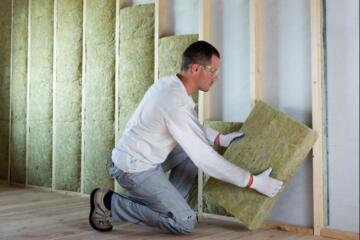
Even the best U-value can underperform if the rough opening is not insulated and sealed. Ask installers how they handle the gap between the frame and the building fabric, including whether they use insulation around the perimeter and a continuous air seal. Poor sealing increases infiltration heat loss and can also raise indoor humidity, which then increases condensation risk.
Request details on the air-sealing approach and whether they test for drafts. A blower-door test can quantify leakage, but it requires planning and access. If you cannot test, you can still inspect for consistent insulation around the frame and for correct alignment that avoids permanent gaps.
Compare Quotes With Like-For-Like Assumptions
When comparing replacement quotes, ensure each quote uses the same window sizes, frame materials, glazing thickness, and performance standard. Ask whether the quoted U-value is for the whole window and whether it matches the exact glazing and spacer type. If one quote uses a lower U-value number tied to a different configuration, the comparison becomes unreliable.
Also compare the scope: some quotes include only glazing replacement, while others replace the full frame. Frame replacement can change thermal bridging and air leakage pathways. A small frustration many homeowners face: quotes sometimes list U-values but omit infiltration assumptions, so the “heating cost” estimate can look precise while resting on hidden assumptions.
Case Examples With Realistic Constraints
Example 1: Drafty Double Glazing In A Cold Region
A tenant in a mid-rise apartment reports high heating bills and cold spots near window edges. The existing windows have a moderate U-value, but the tenant notices drafts when doors close and condensation on the inner frame during early winter. After a window retrofit with improved glazing U-value, the bill drops slightly, yet cold spots persist. A follow-up inspection finds gaps around the frame and inconsistent perimeter sealing, which increases infiltration heat loss beyond what the U-value predicts.
Example 2: Whole-Window Upgrade Vs Glass-Only Spec
A homeowner compares two quotes. Quote A replaces the full window with a whole-window U-value listed on the product sheet. Quote B replaces only glazing and cites a glass U-value that looks lower than Quote A’s number. After installation, the homeowner sees smaller-than-expected savings because the frame thermal bridging remains and the whole-window performance stays closer to the older assembly. The lesson is that glass U-value alone cannot predict the heat loss of the entire window system.
U-Value Checklist And Comparison
Use this checklist to keep comparisons grounded in the same physics and the same assumptions.
| What To Check | Why It Matters | What To Ask | Red Flags |
|---|---|---|---|
| Whole-Window U-Value | Frames and edge effects change heat loss | Is the U-value for the complete window assembly? | Glass-only U-value used as if it were whole-window |
| Glazing Features | Low-e coatings and warm-edge spacers affect U-value | Is low-e coating and warm-edge spacer included? | Specs omit spacer type or coating |
| Perimeter Sealing | Air leakage can dominate heat loss | How is the gap between frame and wall sealed? | No plan for continuous air seal |
| Climate And Schedule | Degree-hours drive energy use | Does the estimate use local weather and your heating schedule? | Savings quoted without assumptions |
Step-by-step checklist
- List each window size and type, then record the whole-window U-value from the product sheet.
- Measure total window area by type and avoid averaging across different frame materials.
- Use a degree-hours method or an energy calculator that includes climate and heating schedule.
- Ask installers for the perimeter sealing method and whether they plan to reduce drafts.
- Compare quotes using like-for-like window configurations, not just the lowest U-value number.
Common Mistakes That Skew Results
A frequent mistake is treating U-value as the only driver of heating bills. Infiltration heat loss can exceed conduction losses in drafty homes, and it depends on sealing quality and wind exposure. If you ignore infiltration, you can underestimate the benefit of air sealing and overestimate the benefit of glazing alone.
Another mistake is using the wrong U-value basis. Some product sheets list U-values for a specific test size, and edge effects change with window dimensions. If your windows are unusually large or have many narrow sightlines, the real whole-window performance can differ from the “typical” test case.
People also misread condensation as a purely “humidity problem.” Condensation forms when surface temperature drops below the dew point, which depends on local thermal performance at the frame and glazing edge. If condensation persists after an upgrade, the issue may be installation gaps, thermal bridging, or ventilation imbalance.
Finally, homeowners sometimes compare costs without checking whether the quote includes frame replacement, new sashes, or only glazing. A glass-only replacement can improve U-value but leave thermal bridging and air leakage pathways unchanged. That mismatch can make the heating cost estimate look wrong even when the installer met the glazing spec.
FAQ
What Does A Window U-Value Mean?
It measures how much heat passes through the window per square meter per degree of temperature difference between inside and outside. Lower numbers mean less heat transfer, but real savings depend on window area, climate, and heating schedule.
Is Glass U-Value The Same As Whole-Window U-Value?
No. Glass U-value describes the glazing layer, while whole-window U-value includes the frame and edge effects. Whole-window values better predict heat loss for heating-cost comparisons.
How Do I Estimate Heating Cost Savings From U-Value?
Use a degree-hours approach or an energy calculator that includes local weather, indoor setpoint, heating schedule, and window area. Add infiltration assumptions if your home is drafty, because air leakage can dominate heat loss.
Do Triple-Glazed Windows Always Cut Bills More Than Double?
Triple glazing often lowers U-value further, but the cost impact depends on the size of the temperature difference, how much the home is heated, and whether drafts and thermal bridging remain. If infiltration dominates, the incremental U-value gain may translate into smaller bill reductions.
Can A Low U-Value Window Still Cause Condensation?
Yes. Condensation depends on local surface temperatures near the frame and the indoor dew point. Installation gaps, thermal bridging, and ventilation settings can keep surface temperatures low even when the rated U-value is good.
Author's Insight
Window U-value ratings come from controlled test conditions, so they predict heat transfer rates rather than exact bill outcomes. Heating costs depend on degree-hours and on how much heat loss occurs through air leakage and thermal bridging, which U-value alone does not capture. A careful comparison uses whole-window U-values, like-for-like configurations, and a climate-aware estimate. When results disappoint, the cause often sits in installation sealing details or in differences between glass-only and full-window upgrades.
On a practical note, I’ve seen product sheets dated 2023-10 with multiple U-value entries for different frame depths; using the wrong line item can shift the expected performance enough to change the conclusion. Treat the U-value as one input in a heat-balance model, not a standalone savings guarantee.
Key Takeaways
- Use whole-window U-values, not glass-only numbers, when comparing heating-cost impact.
- Heating bills depend on degree-hours, window area, and heating schedules, not just the U-value.
- Air leakage and installation sealing can outweigh glazing improvements in drafty homes.
- Compare quotes using like-for-like window configurations and ask how perimeter sealing is handled.